

Stress Management
Why is Stress Management Important?
Stress is something many people experience every day. It is a normal biological reaction to mental or physical stimulation. it is a reaction to a real or perceived threat.
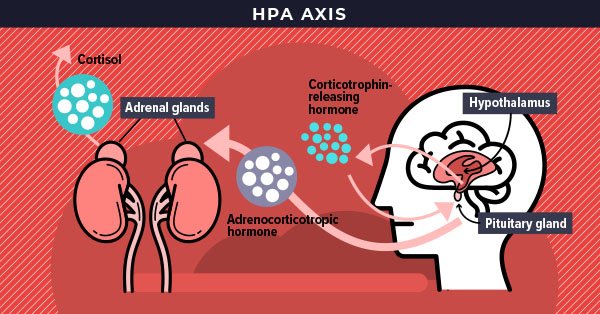
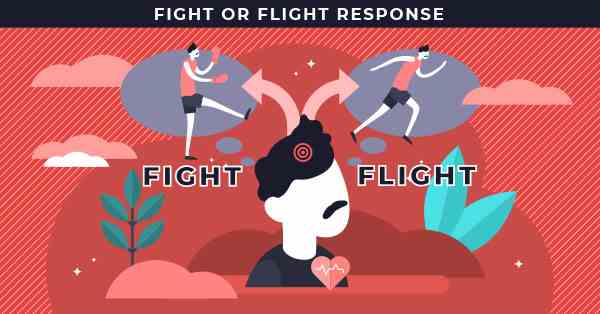
The fight or flight response can be very useful when you are in physical danger. But in everyday life, the effects are often long-term and can be very bad for the body.
Common consequences of long-term stress and the high blood pressure it causes are conditions like atherosclerosis, heart disease, neurological changes and a suppressed immune system.
Although long-term stress is a serious condition there are certain activities and exercises you can do to help regulate your stress levels:
1. physical activity: An additional 30 minutes of physical activity 3-5 times a week are very good for reducing stress levels. It can easily be worked into a normal work week as 3 ten minutes walk breaks.
2. Mindfulness or other forms of meditation: It has been proven to reduce blood pressure. It is easy to start as there are many online tutorials and guides.
3. Slow and deep breathing exercises: This is very helpful in reducing migraines, hypertension, anxiety and chronic constipation.
4. Healthy and balanced nutrition: This especially important for your B vitamin intake. A healthy balance of these in your body helps manage your stress.
5. Spending time in nature: An easy to complete exercise as it can be combined with your weekly physical activity. Spending time outdoors helps you manage your blood pressure and your heart rate.
6. Good social support systems: Social support can act as a very important stress buffer. Although, in-person interaction is preferable during these difficult times a phone or Zoom call can help reduce your stress levels. Pets are also a great way to get in a daily dose of social interaction.



Share a Comment